
On October 6, at its Frontier 2026 event in San Jose, Pimax presented the Pimax Crystal Pro. It is a dual-mode headset: it works as a standalone device and as a PC VR headset, wireless or wired. For anyone who needs maximum visual detail in VR, from design reviews to simulation, it is one of the most interesting devices announced this year.
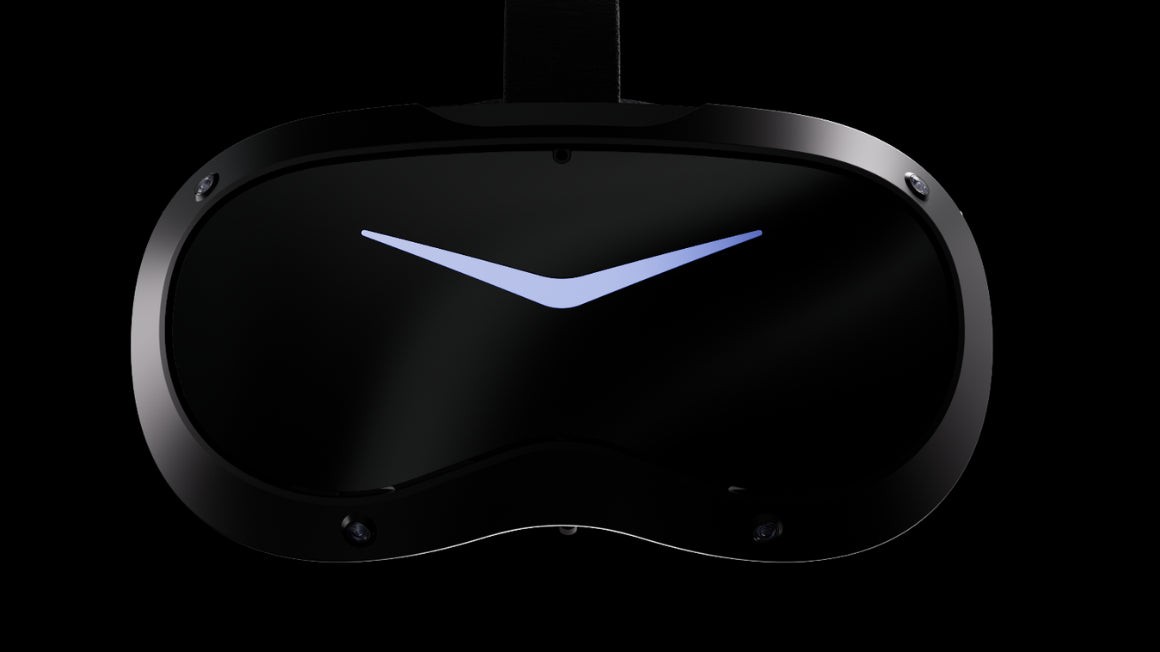
One headset, two modes
In standalone mode, the Crystal Pro runs on a Snapdragon XR2 Gen 1, according to Road to VR. Connected to a PC, it streams over Wi-Fi or the optional 60G AirLink, which according to Pimax delivers up to 6 Gbps with less than 2 ms of added latency. A wired DisplayPort 1.4a connection is available as an option.
Specs at a glance
- 2880 × 2880 per eye, quantum-dot LCD with 576 Mini-LED dimming zones per eye
- 110° horizontal field of view at 35 PPD
- 72, 90 and 120 Hz
- Glass aspheric lenses
- Eye tracking at 120 Hz with dynamic foveated rendering
- Inside-out tracking (SLAM), optional Lighthouse tracking via a swappable faceplate
- External 16,000 mAh battery pack
- Snapdragon XR2 Gen 1 in standalone mode (according to Road to VR)
- $1,399 for the headset, $1,899 bundled with the 60G AirLink
- Shipping in 2027 (Pimax FAQ: spring 2027)
What this means for RAUM
Headsets like the Crystal Pro show where professional VR is heading: sharper displays, more flexibility and the freedom to choose between standalone use and the power of a PC. In the future, RAUM will run on new devices such as the Pimax Crystal Pro as well, so your teams can meet, train and collaborate on the hardware that fits them best.
Today, RAUM runs on Meta Quest, Apple Vision Pro, PICO and in the browser. Book a free demo or download RAUM to see it in action.
Source: Pimax Crystal Pro